 Returning to the Museum of English Rural Life (MERL) next week to present a series of five films that I've made with Toby Martinez de las Rivas and Neda Milenova Mirova. Toby and I will be talking about the process of making the films, and MERL will be talking about the Eric Guy photographic archive that inspired the project.
Wednesday 12 June, 6pm - Free tickets and more information here
0 Comments
Me as mentor and my mentee - BA Filmmaking student Abigail Galbraith speaking about our experience together on the Beyond Barriers mentoring scheme at the Kingston School of Art/Kingston University. I really hope your career goes where you want it to Abigail - you've got bags of determination, organisation, and confidence. I just helped you dig just a little and cheered you on to find it under the surface.
It was a pleasure to be part of this scheme and 'pay it forward' because I got a lot out of the extra-curricular activities that I took part in at Kingston University when I returned to study for my masters in 2014-16. 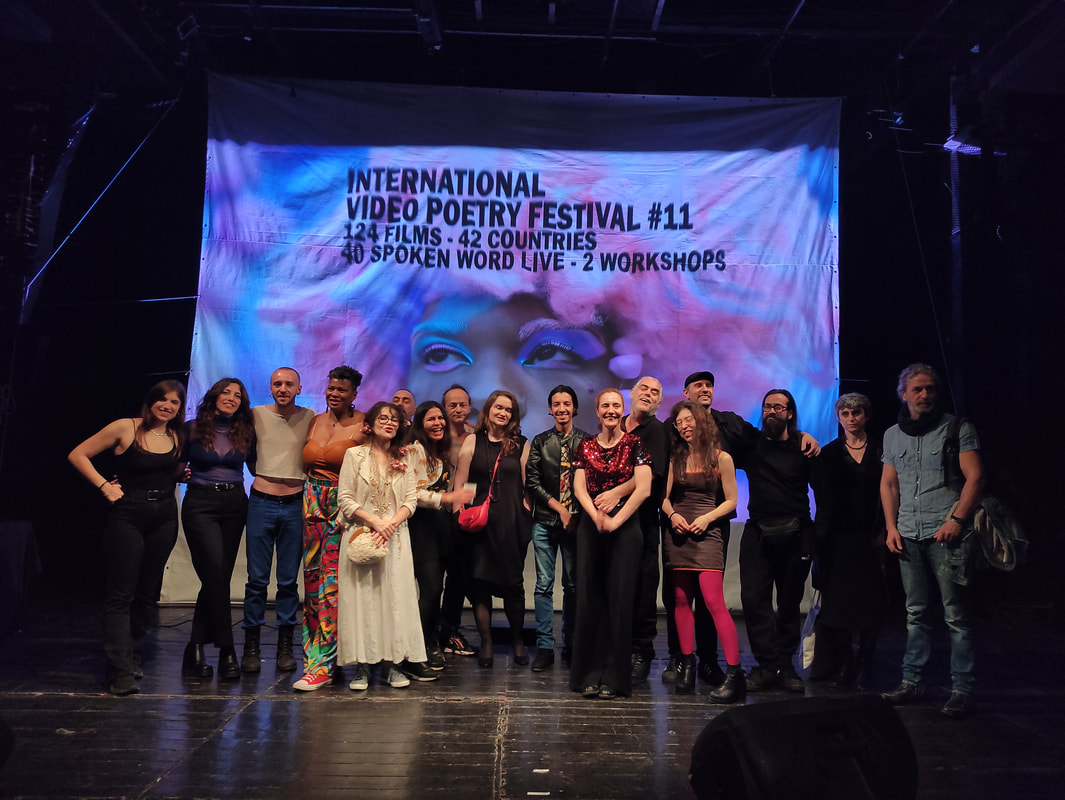 A great festival in Athens this weekend (19/20 April 2024), organised by Sissy Doutsiou of +the Institute [for Experimental Arts]. A review of this year's event is on their website. Sadly I couldn't attend this year, but Dark was chosen for inclusion :)
Thank you to everyone who helped with the organisation, it looks like a great time was had by all, and congratulations to everyone who showed or performed work this year. "Language-based Artistic Research is a new term for an emergent field of artistic research, describing approaches to artistic research that specifically work-with language. The Special Interest Group (SIG) for Language-based Artistic Research was inaugurated in 2019 within the frame of the Research Pavilion #3, Venice, and now comprises an international network of over 500 artistic researchers"
The group held an event on 11 April, to launch PRACTICE-SHARING II (an online publication platform with contributions from over 60 international researchers), and the Expanded Librarians Research Group made a presentation. Our presentation on the characterisation of the 'Expanded Librarian' as researcher or strategist was prerecorded and can be watched online via this page https://www.researchcatalogue.net/view/835089/2686626 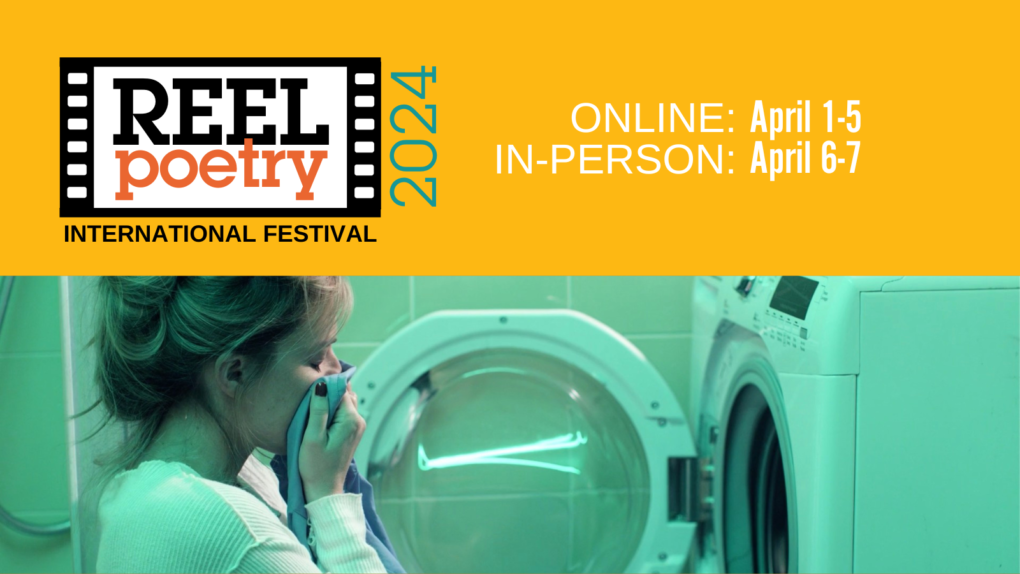 Pleased and excited to say that Dark, the film I completed late last year with James E Kenward, has been selected for the juried competition this year at REELpoetry in Houston. The selections will screen online in a programme over 5 days at the beginning of April, and then a selected programme and the winners will screen at the in-person event over the weekend.
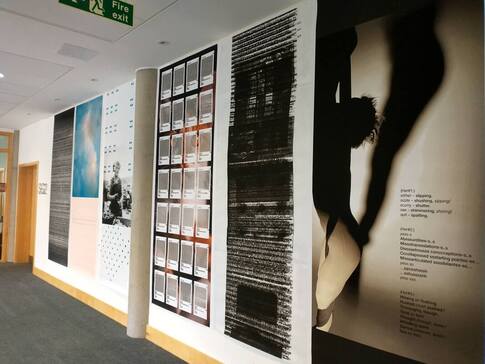 Enjoying working with and getting to know the group in the research project set up by Wiebke Leister and Beverley Carruthers - Expanded Librarians. The exhibition is the result of a series of collaborative artists’ workshops investigating different approaches to what the figure of the Expanded Librarian can be, and to add to the existing discourses of text & image – theoretically, methodologically and as artistic strategy. Groups within the workshop have taken a different thread to follow:
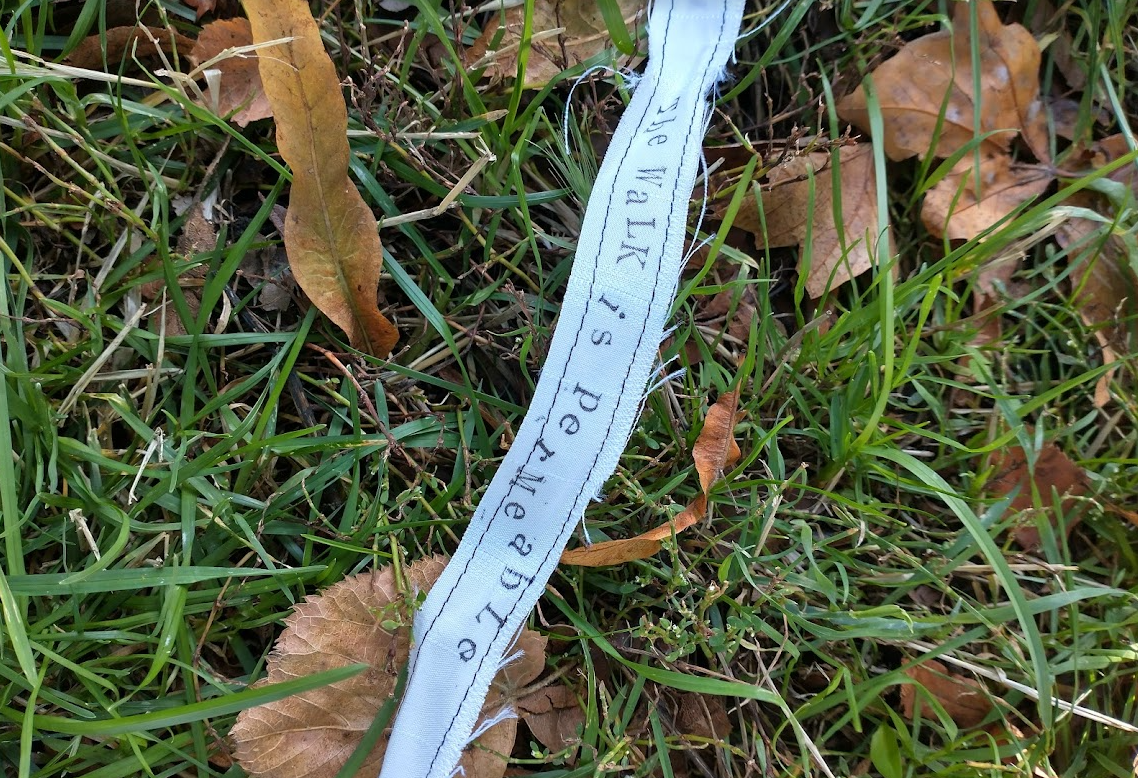
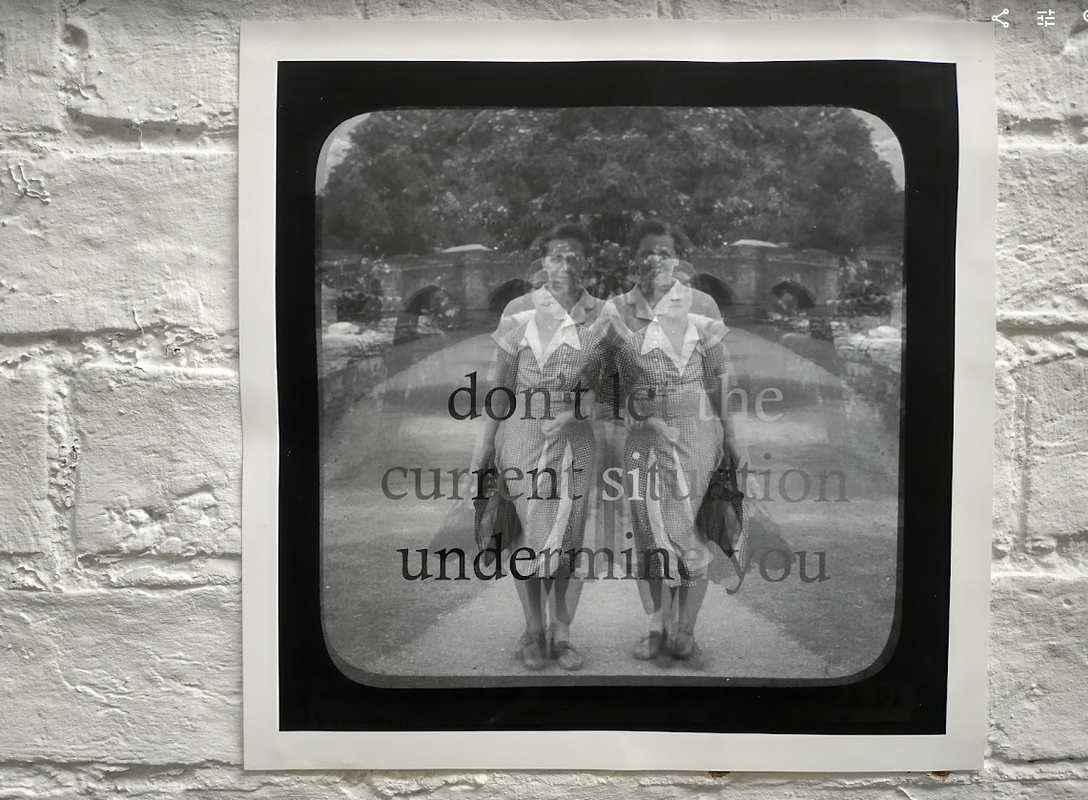
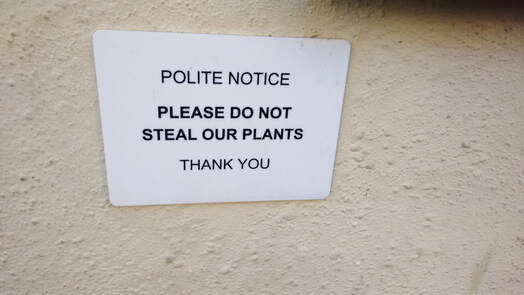 In my case, I've been part of the Interpretations group with Wiebke Leister, Emma Bolland and Nicolas Lambouris, and I've been exploring politeness and the phenomenon of the 'Polite Notice'.
The exhibition is up until 15th March, a symposium is on 9th March.
Very pleased to say that James E. Kenward and I have completed and released our film 'Dark'. We met very briefly at the Ó Bhéal Poetry Film Competition in Cork City, Ireland at the end of 2022, and over the course of 2023 I slowly put together the visuals to make this film. It was a slow burn but eventually the photographs and footage all fell into place. The film was premiered at a live event in November last year, and we decided we would release it in winter with the hope of spring on the horizon.
My latest poetry film 'Dark' with poet/performer James E. Kenward and with music performed by multiple award winning concert pianist Bota Zakir previewed at Weaving Poetry, Piano and Film at Mountshannon Arts, Ireland, on 24th November 2023. This was shown amongst an evening of live performances of poetry by James, with Bota playing piano pieces by Chopin, Debussy, Rachmaninov and more in accompaniment. The whole event looked like a wonderfully atmospheric evening in the setting of St Caimin's Church. I very much hope they can repeat the event elsewhere and I'll be able to attend.
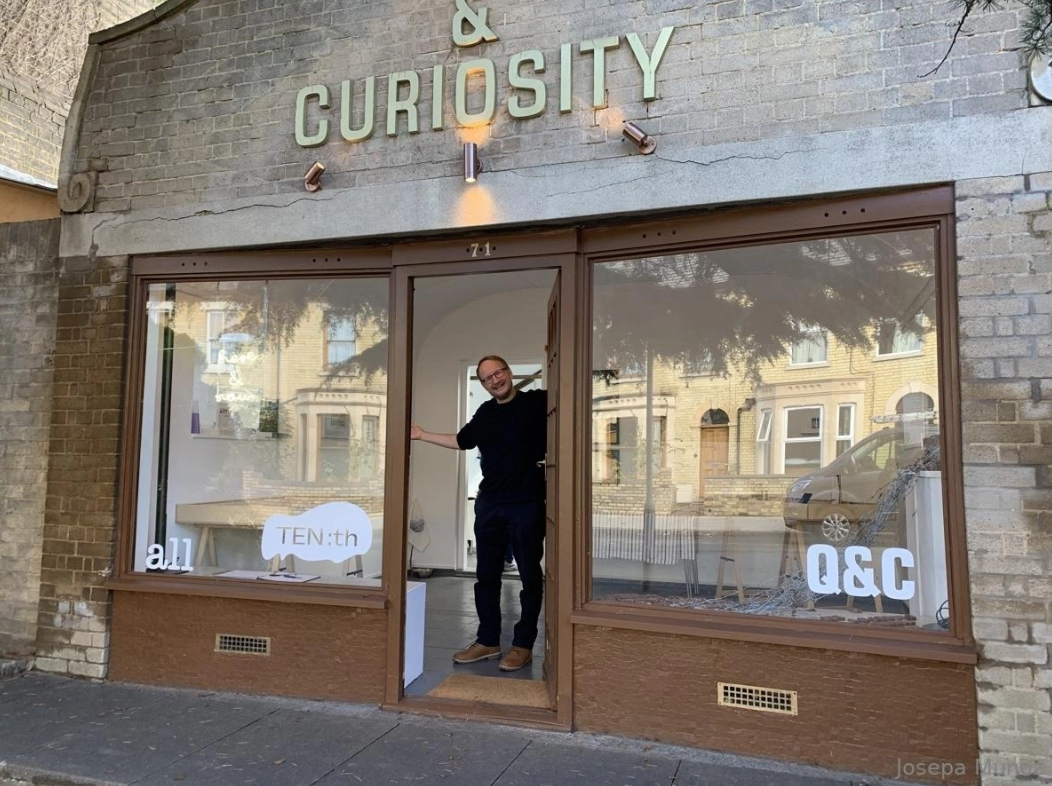
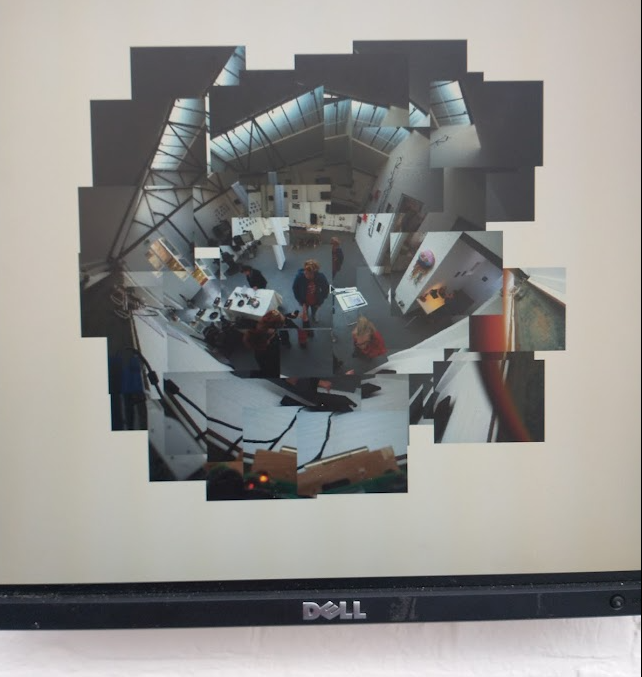
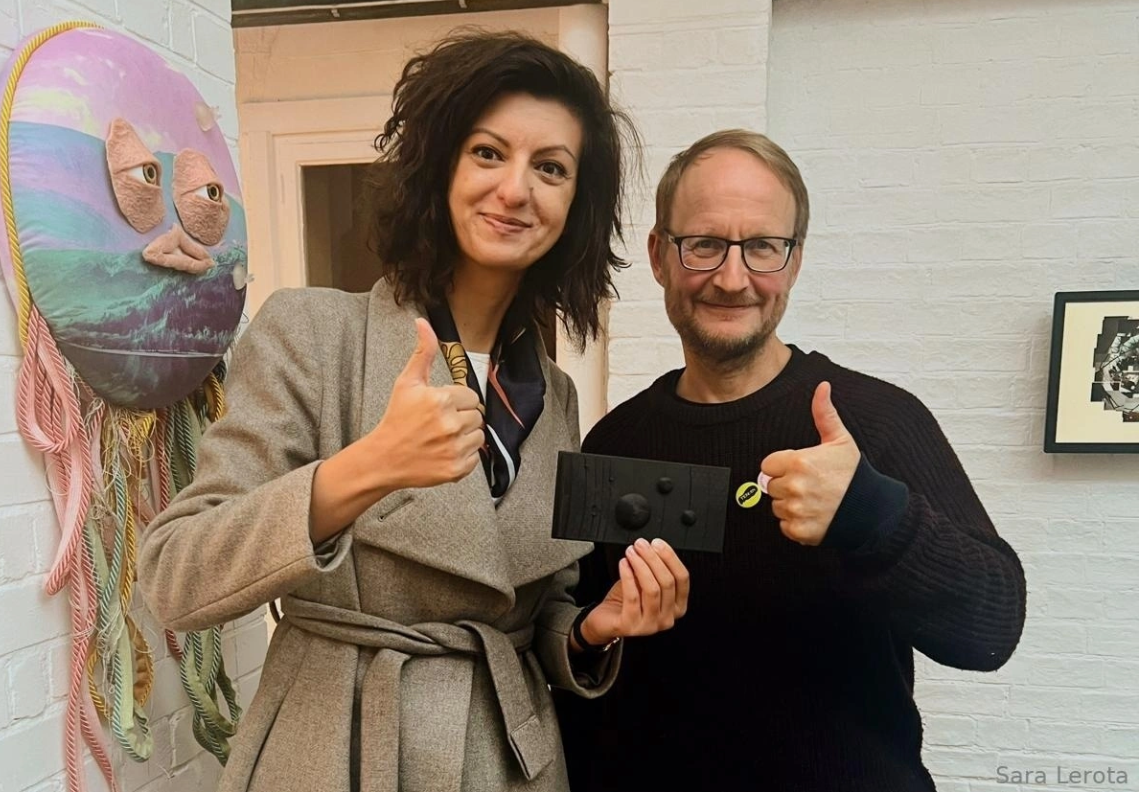
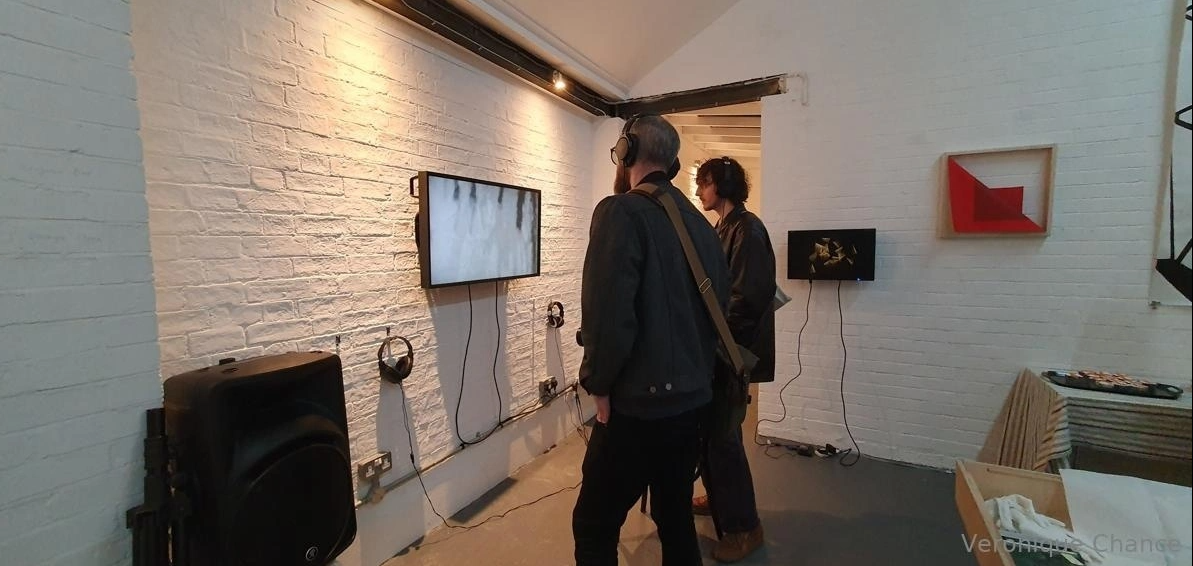
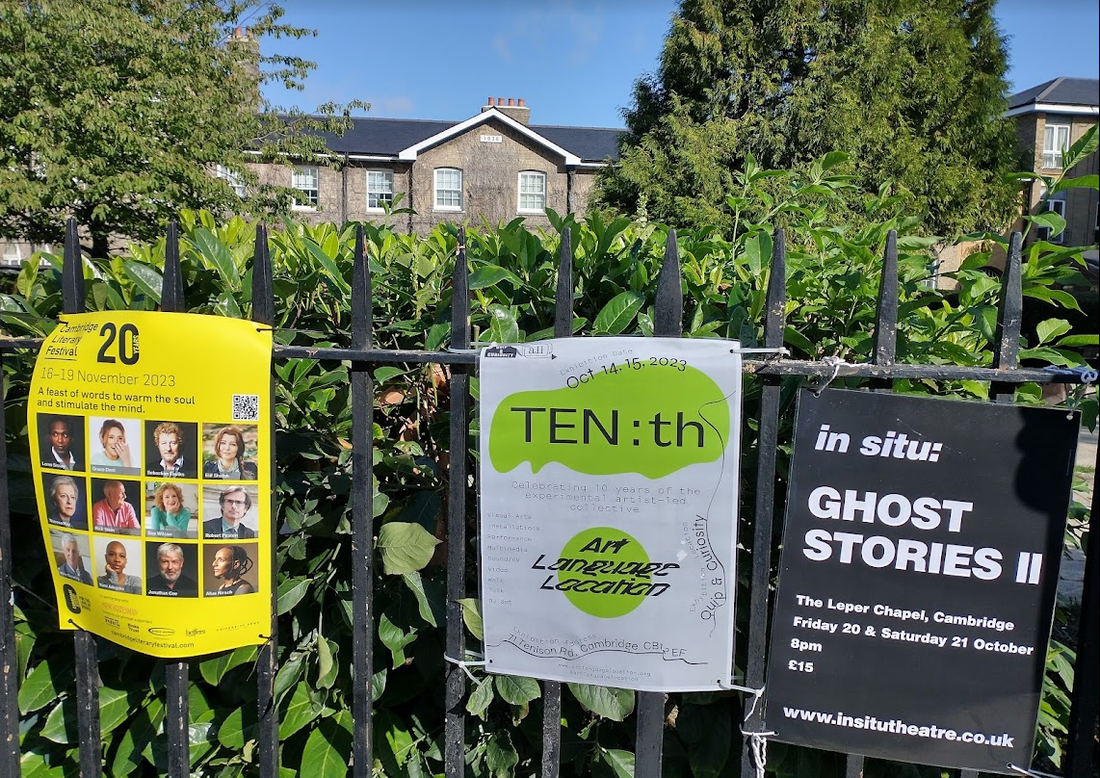
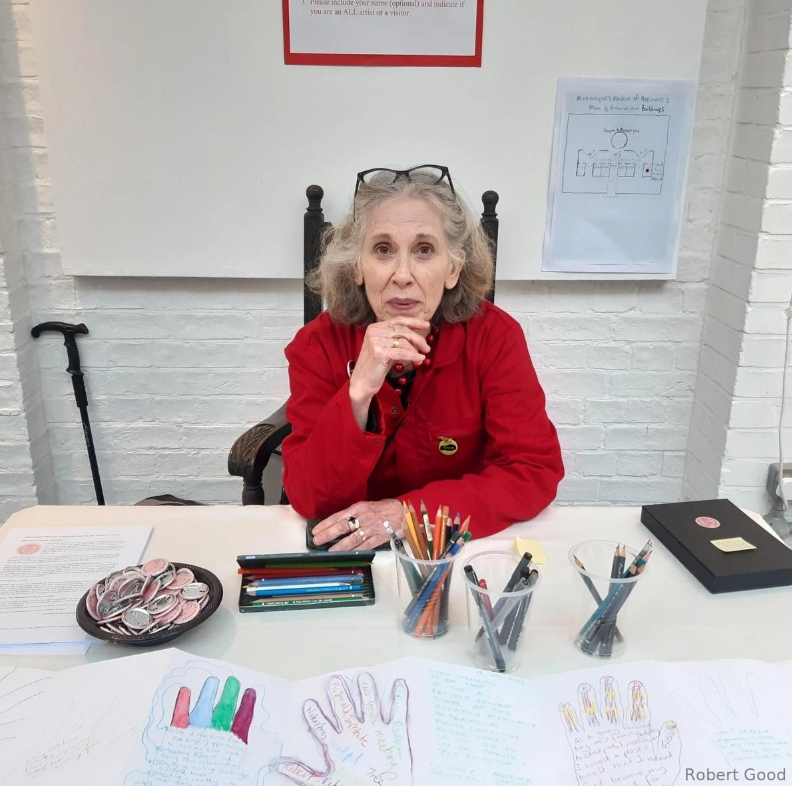
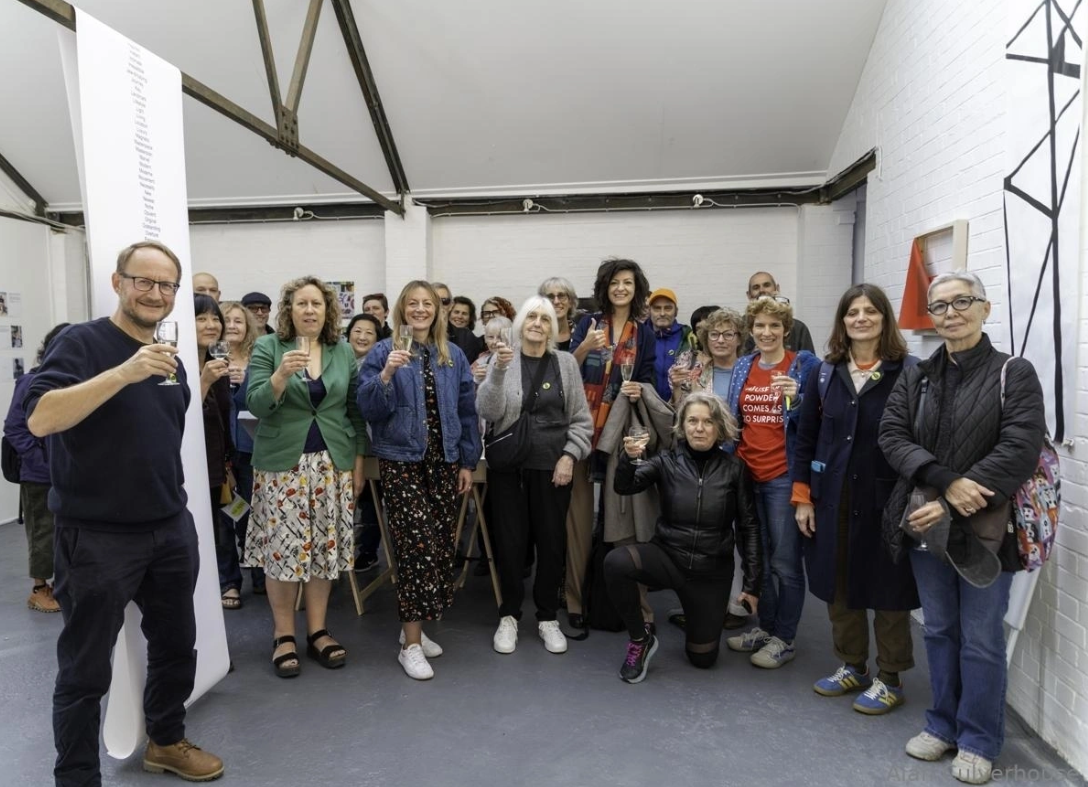 A fun couple of days taking part in TEN:th - the 10th anniversary of the first exhibition of Art Language Location in Cambridge. I took part in the 2015 edition. An anniversary of sorts for me too, because it was the first time I had exhibited a film piece to the public and this time I was showing a recent film 'Gethsemane'. The support and encouragement of Robert Good and his team back in 2015 made a big impact on me, and what it means to exhibit and take part in events. It was lovely to catch up with old faces and new ones in the Cambridge crowd and those that had travelled from further, far and wide. With thanks to the other photographers who captured more images of the events than me: Sara Lerota, Robert Good, Josepa Munoz, Alan Culverhouse, Veronique Chance. Loads more to see on the Art Language Location website.
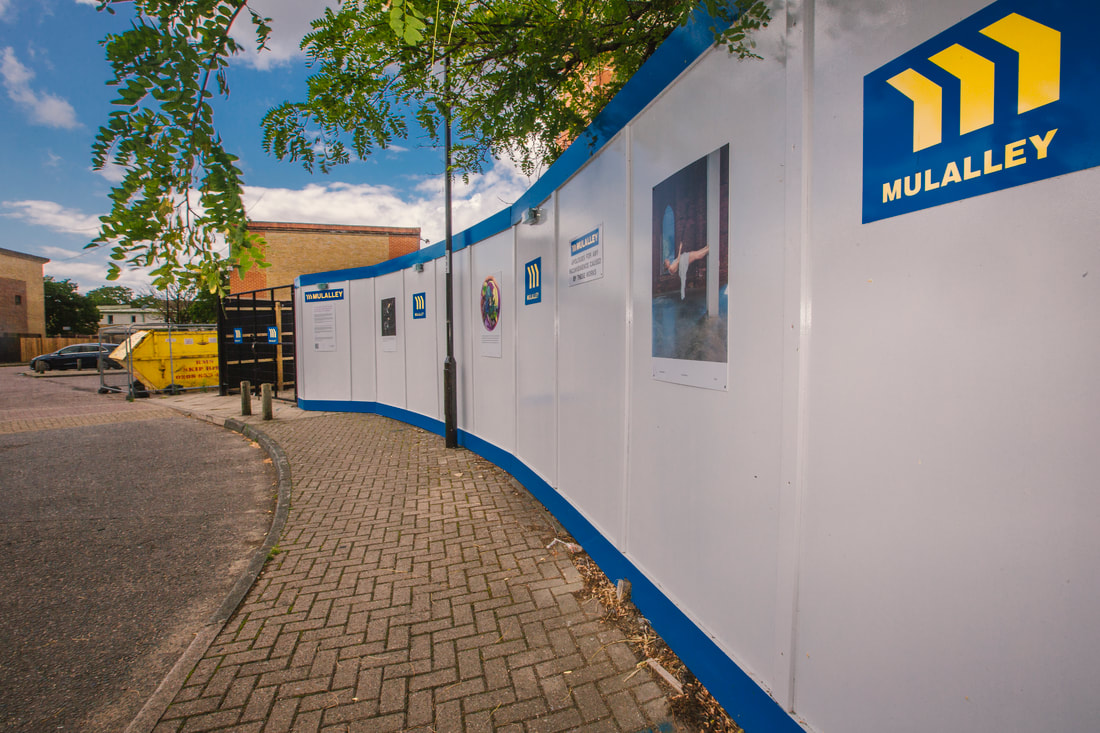
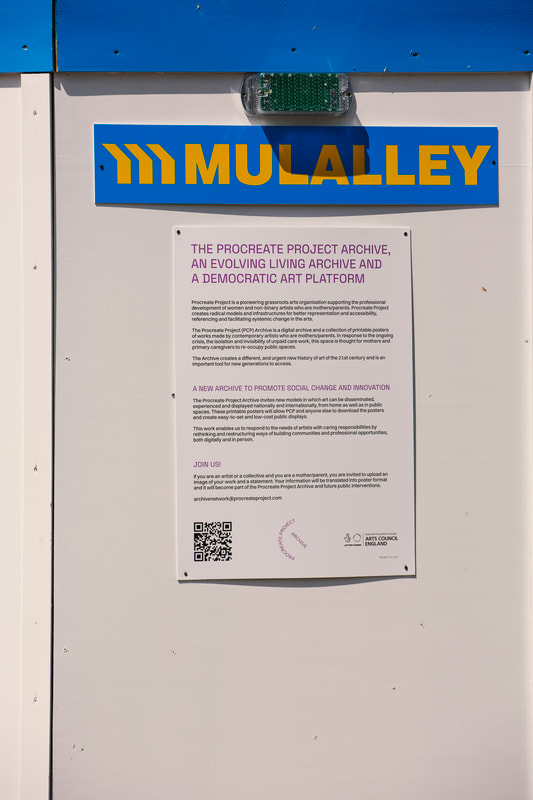
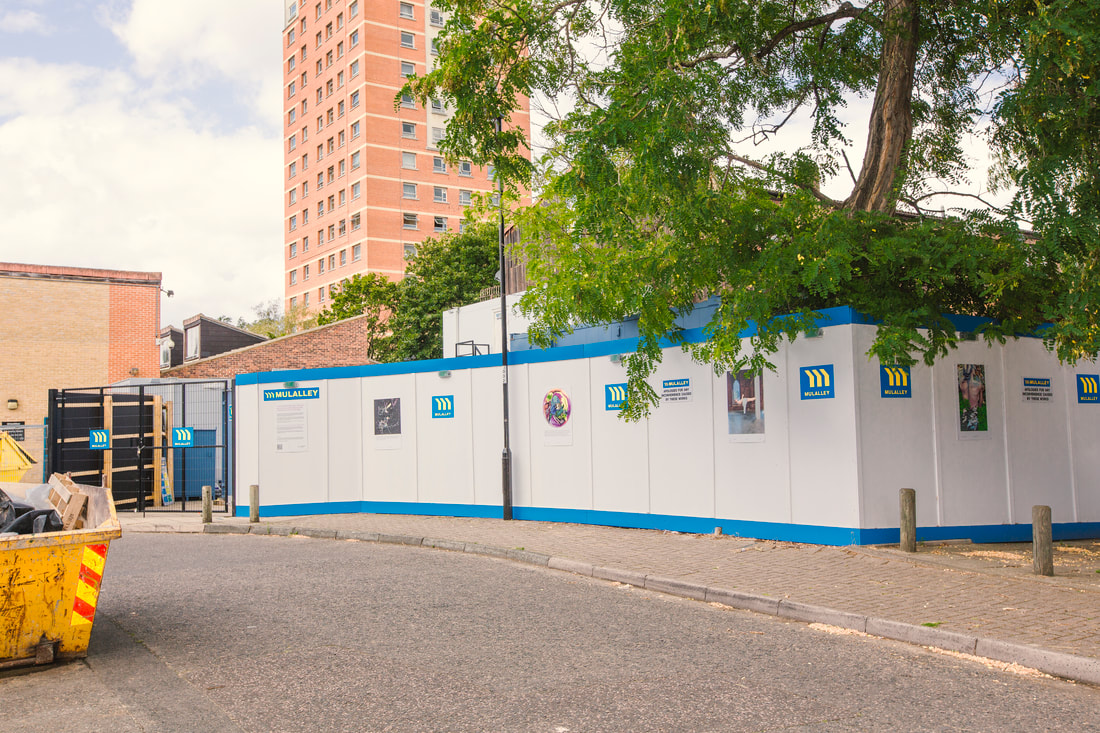
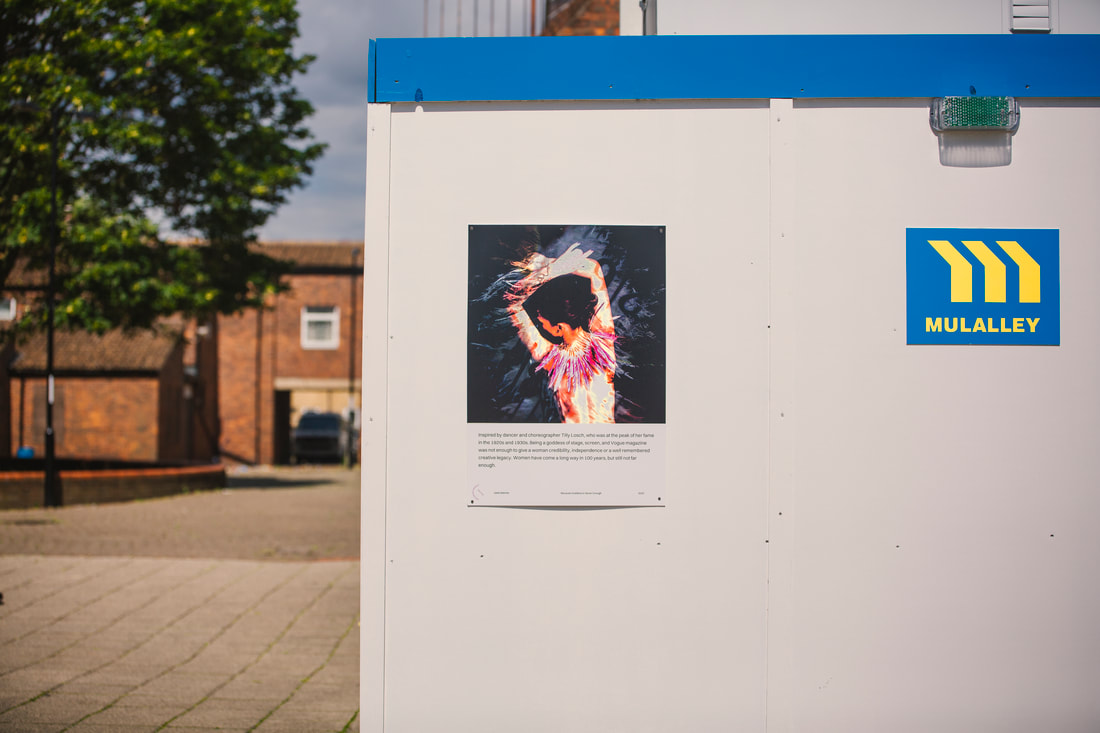 The Procreate Project selected my work for the Mother Art Prize back in 2017. They are a brilliant organisation that aims to 'support the professional development of contemporary artists who are also (m)others, working across disciplines'. There is so much to admire about the vision and tenacity of the organisation and of its founder Dyana Gravina. They push forward with new initiatives but also continue to support and champion the artists they have worked with in the past. I don't think that's a small thing. Motherhood is tough, and feeling like you've got long-term creative friends in the background cheering you on is valuable to help keep your creative life going. This is a project in which they are creating a series of public exhibitions using hoardings. The idea is to increase visibility for artists who are mothers and carers. This is my work as part of the exhibition currently in Deptford, London. Other venues have included Modern Art Oxford, Hastings Contemporary and Lewisham Shopping Centre Deptford hoardings also featuring @littlefiresstudio @mamapaynter @charlottewarnethomas @elliejoannawilliamsartist @joettamaue @katemontgomerypainter @kimhopsonstudio @leenowellwilson @sarahsudhoff Photos by Katie Edwards. |
Archives
June 2024
|



 RSS Feed